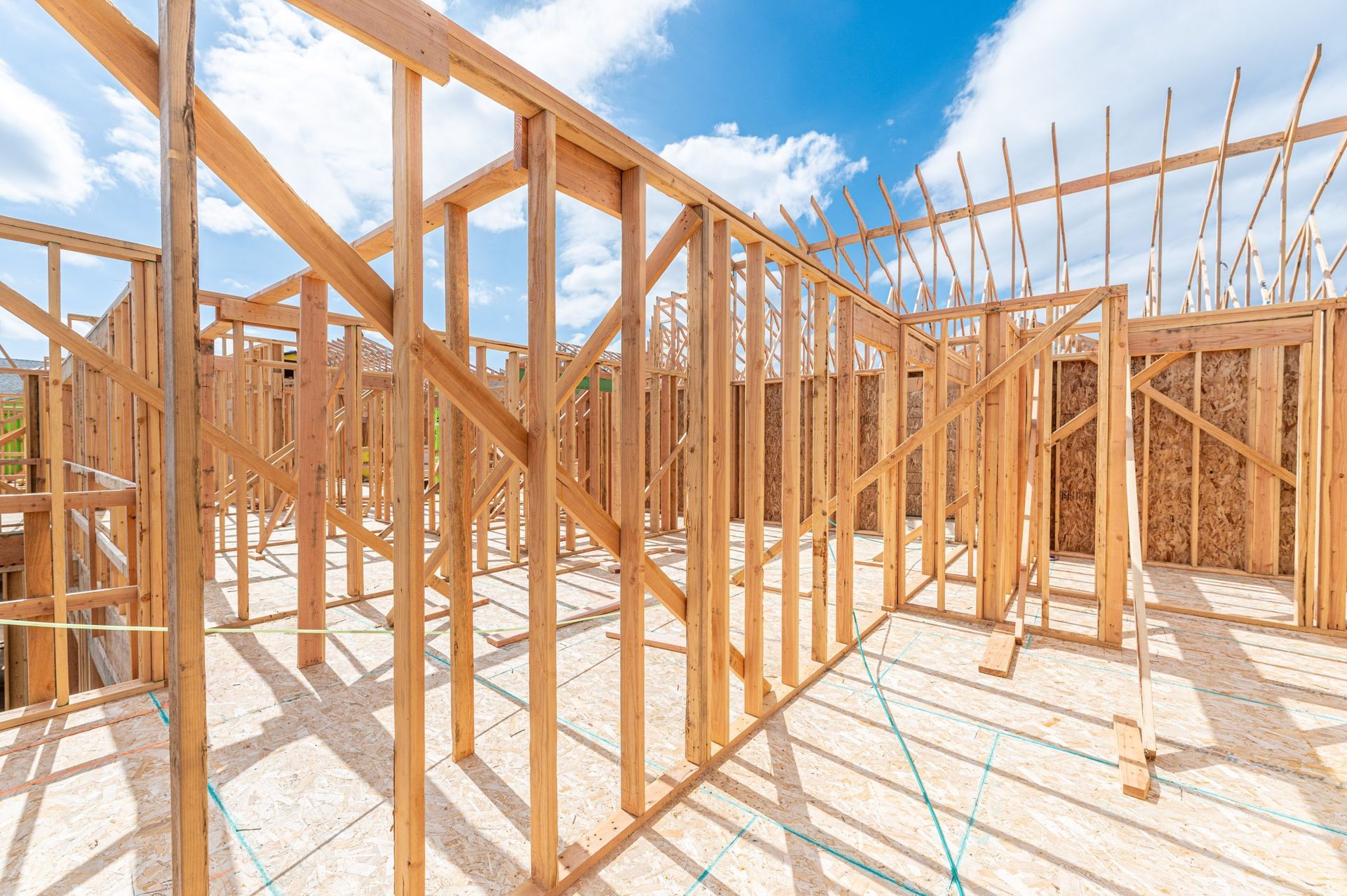
A roof truss manufacturer in Nevada supports construction teams by reviewing plans, coordinating structural requirements, engineering and manufacturing roof trusses, preparing submittals, managing revisions, and aligning deliveries with the project schedule. For builders in Nevada and California, the right manufacturer helps reduce coordination gaps between design, fabrication, and field installation.
Subtitle: A practical guide to plan review, truss coordination, submittals, revisions, and scheduling for Nevada and California projects.
Why does project coordination matter when choosing a roof truss manufacturer in Nevada?
Roof trusses are part of a larger structural and construction workflow. Their geometry, bearing locations, openings, mechanical requirements, roof design, and connection details must align with architectural and structural documents. If those details are incomplete or inconsistent, the project team may face clarification requests, revised drawings, fabrication changes, or field adjustments.
A coordinated manufacturer contributes earlier in the process—not only when materials are ready to ship. This can help general contractors, developers, architects, and framing crews identify information gaps before they affect production or installation.
For projects in Nevada and California, regional coordination can also involve differing project requirements, site conditions, jurisdictional expectations, and delivery logistics. Aldac Components serves both states and works with teams that need engineered roof trusses to fit an organized construction process.
What does plan review include?
Plan review is the process of examining available project documents and identifying the information needed to develop a truss package. The exact scope depends on the project and the documents provided, but a review may consider:
- Architectural and structural plans
- Roof geometry, spans, bearing points, and elevations
- Framing layouts, openings, and special conditions
- Relevant design criteria supplied by the project team
- Conflicts between drawings, details, and schedules
Plan review does not replace the responsibilities of the project’s licensed design professionals or building officials. Instead, it gives the manufacturer and project team an opportunity to coordinate the information used for truss design and manufacturing.
How are roof trusses designed and manufactured?
After the project information is reviewed, truss design develops the geometry and engineering details needed for production. The design process may account for the specified loads, spans, supports, roof shapes, bearing conditions, and required openings or interfaces.
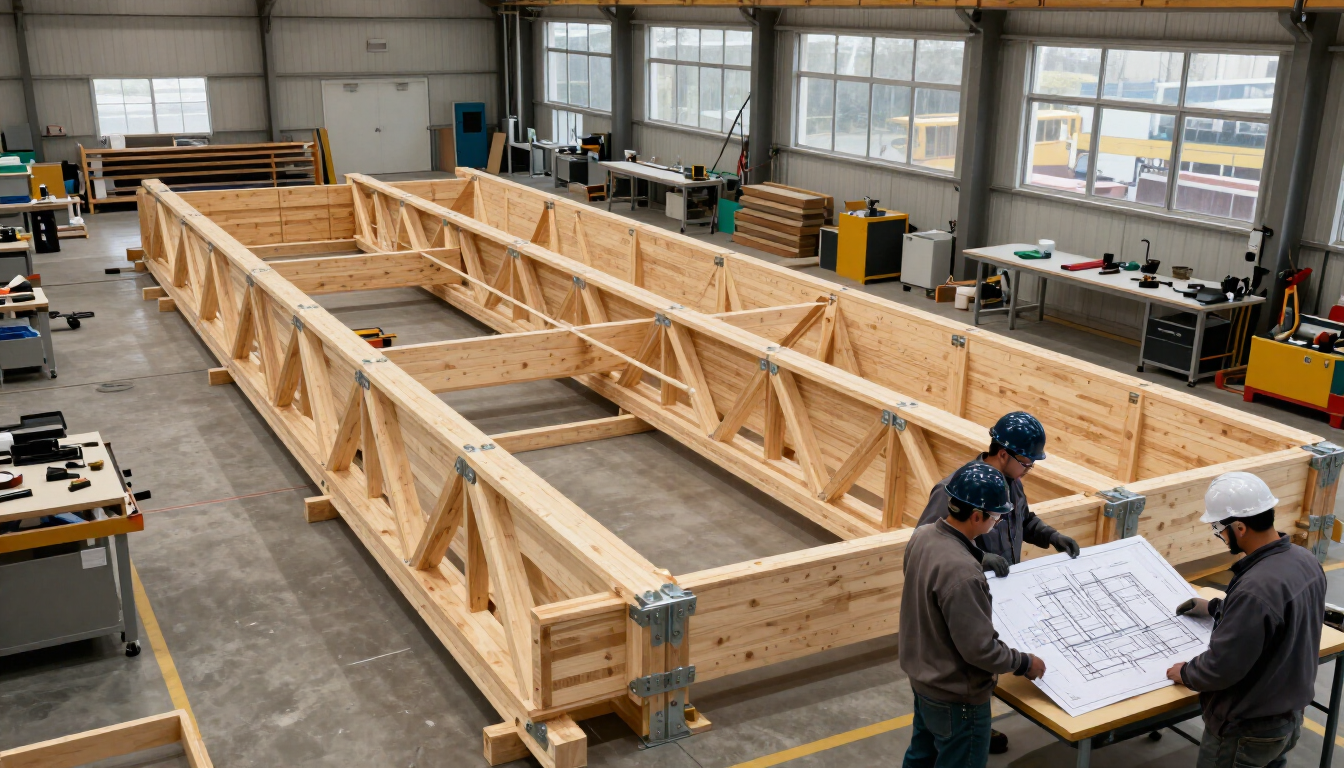
Once the design package is sufficiently coordinated, manufacturing converts the approved or authorized information into physical components. Quality depends on accurate plans, clear communication, appropriate material selection, controlled fabrication, and a delivery plan that reflects site needs.
Aldac’s truss design and manufacturing services are intended for multifamily, mixed-use, hospitality, and production housing developments. The objective is to provide components that integrate with the broader framing workflow rather than treating fabrication as an isolated step.
What should be included in a truss submittal?
A truss submittal gives the project team information to review before production or installation, according to the project’s established process. Common components may include:
- Truss placement or layout information
- Individual truss profiles and identifying marks
- Design notes and relevant reactions or support information
- Details for special conditions shown in the design
- Questions, exclusions, or items requiring project-team confirmation
Submittal expectations vary by project. The contractor, architect, engineer, and manufacturer should confirm who reviews the package, what approvals are required, and how comments are documented. Clear submittal procedures help prevent a verbal clarification from becoming a missed revision later.
For broader planning support, review Aldac’s engineering and pre-construction support services.
How should revisions be managed?
Revisions are common when plans change, dimensions are clarified, coordination issues are discovered, or field conditions require updated information. A practical revision process should make the change visible and traceable.
A clear revision workflow
- Identify the source and reason for the change.
- Confirm which drawings, trusses, layouts, or details are affected.
- Communicate the change to the relevant project participants.
- Update the design or submittal package through the agreed review process.
- Confirm the current version before fabrication or installation.
- Retain superseded information so teams do not use an outdated package.
The project team should establish responsibility for approvals and version control. Manufacturers can coordinate technical information, but they should not make unsupported assumptions about design intent. Questions involving structural design, code interpretation, or changes to the building should be directed through the appropriate licensed professionals.
How can truss manufacturing support project scheduling?
Scheduling starts with realistic information. A manufacturer needs sufficient lead time to review documents, resolve questions, complete design, process submittals, incorporate authorized revisions, manufacture components, and coordinate delivery. The earlier these milestones are discussed, the easier it is to identify schedule dependencies.
Useful scheduling questions include:
- When will complete design information be available?
- What is the required submittal and review duration?
- Which approvals must occur before fabrication?
- Are roof trusses needed in a particular sequence or phase?
- What site access, unloading, and storage conditions apply?
A schedule should account for review cycles and approved changes rather than focusing only on the desired delivery date. Regular communication between the contractor, design team, framing contractor, and manufacturer helps keep priorities visible as the project develops.

What should builders ask a Nevada roof truss manufacturer?
Before selecting a supplier, ask how the company handles plan review, design communication, submittals, revisions, manufacturing, delivery coordination, and project documentation. Also confirm the types of projects and components the manufacturer regularly supports.
A useful evaluation checklist includes:
- Experience with the project type and scale
- Defined contacts for technical and scheduling questions
- A documented submittal and revision process
- Capacity aligned with the project’s phases
- Service coverage for the project location
Aldac Components manufactures engineered roof trusses, floor truss systems, and panelized wall components for projects across Nevada and California. Teams can also review panelized wall components when wall systems are part of the framing strategy.
Frequently asked questions
What does a roof truss manufacturer do?
A roof truss manufacturer coordinates project information, designs truss systems based on the provided requirements, prepares submittal information, fabricates components, and coordinates production and delivery. Responsibilities vary by contract and project documents.
When should I contact a roof truss manufacturer?
Contact a manufacturer during pre-construction or early planning, before the required fabrication date. Early communication allows time to review plans, identify missing information, establish submittal expectations, and discuss production and delivery sequencing.
Does the manufacturer replace the structural engineer?
No. The manufacturer’s role does not replace the responsibilities of the project’s architect, structural engineer, licensed design professionals, or building officials. The project team should define design responsibilities and approval requirements.
Can one manufacturer support projects in Nevada and California?
Yes, a manufacturer may serve projects in both states, but each project still requires review of its documents, requirements, location, schedule, and delivery conditions. Aldac Components serves builders and project teams across Nevada and California.
What information is needed to request truss coordination?
Typically, the manufacturer will need relevant architectural and structural plans, roof layouts, elevations, bearing information, project criteria, schedule expectations, and known special conditions. The required information depends on the project and its design stage.
Coordinate your next framing package
The right roof truss manufacturer supports more than fabrication. It helps connect plan review, design, submittals, revisions, production, and delivery into a process the project team can understand and manage. This is especially valuable for multifamily, mixed-use, hospitality, and production housing projects in Nevada and California. If you are preparing a project, compare manufacturers by coordination process, relevant experience, communication, and scheduling approach. Then contact Aldac Components to discuss your plans, project location, components, and next steps.