1. What types of projects does Aldac Components support?
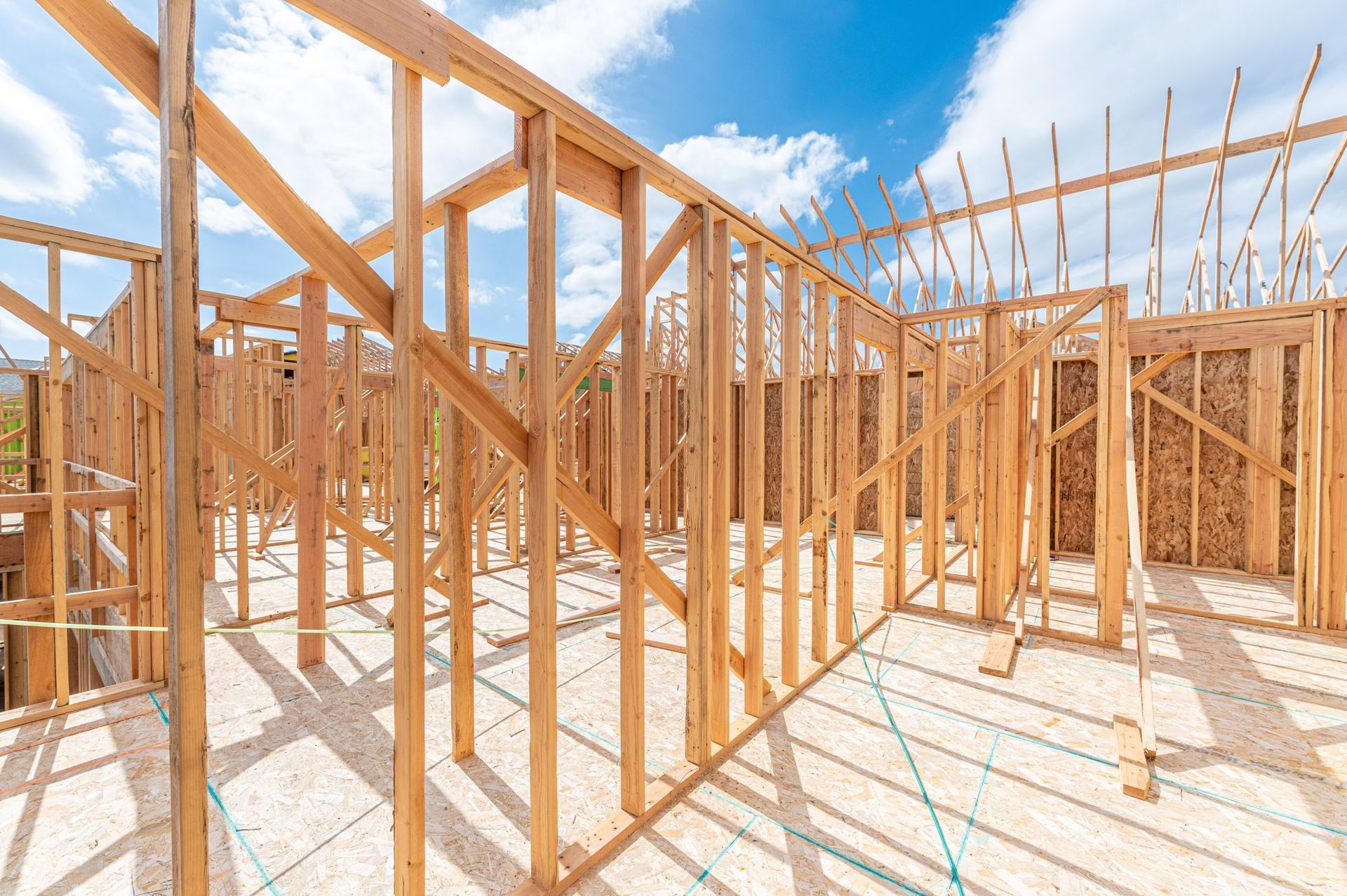
We specialize in engineered roof and floor truss systems for wood-frame multifamily, mixed-use over podium, hospitality, assisted living, and production housing projects across California and Nevada.
2. Where is Aldac Components located?
We are headquartered in Modesto, California and serve Northern California, the Bay Area, Central Valley, Sacramento region, Southern California, and Nevada.
3. What makes Aldac different from other truss suppliers?
We operate as a production-controlled engineering partner. Our model includes measurable scheduling, pre-install QC signoff, engineering alignment, and jobsite-ready packaging to protect project schedules.
4. Do you provide sealed truss packages?
Yes. We provide engineering calculations and sealed truss packages in compliance with California structural and seismic requirements.
5. What software or technology do you use?
We use advanced MiTek technology for in-house 3D truss design, clash detection, layout integration, and optimized production control.
6. Do you offer design-assist during preconstruction?
Yes. We provide design-assist during preconstruction to help optimize spans, reduce structural conflicts, and improve cost efficiency before fabrication begins.
7. Can you support complex roof geometry?
Yes. We design and fabricate hip and valley sets, structural gable trusses, attic trusses, scissor trusses, mono trusses, shed trusses, high-load girder systems, and custom structural configurations.
8. How do you manage production schedules?
We allocate capacity early, track measurable throughput, and sequence fabrication based on install priority. This structured production control reduces delays and protects framing timelines.
9. Do you support fast-track projects?
Yes. Fast-track manufacturing is available when scope is clearly defined and approvals are aligned. Early coordination improves lead time reliability.
10. How do you reduce field rework and RFIs?
We reduce field issues through engineering-to-production alignment, pre-install QC inspections, coordinated layouts, and rapid RFI turnaround.